How Ingredient Lists Are Ordered on Labels
All supplement labels follow a standardized format. Ingredients are listed by weight in descending order. The first ingredient comprises the largest portion by weight, while the last ingredient comprises the smallest. This ordering is mandatory by labeling regulations and allows direct comparison between products.
Label Reading Principles
- Active ingredients listed first
- Excipients and binders listed last
- Percentage or mg per serving stated
- Origin noted when applicable
- Standardization ratios shown for extracts
Single-Ingredient Versus Multi-Ingredient Formulas
Products differ significantly in composition structure. Single-ingredient formulas contain one primary active component with minimal excipients. Multi-ingredient formulas combine multiple botanicals and minerals in a single dose. Each approach presents different label structures and comparison requirements.
Single-Ingredient Formula
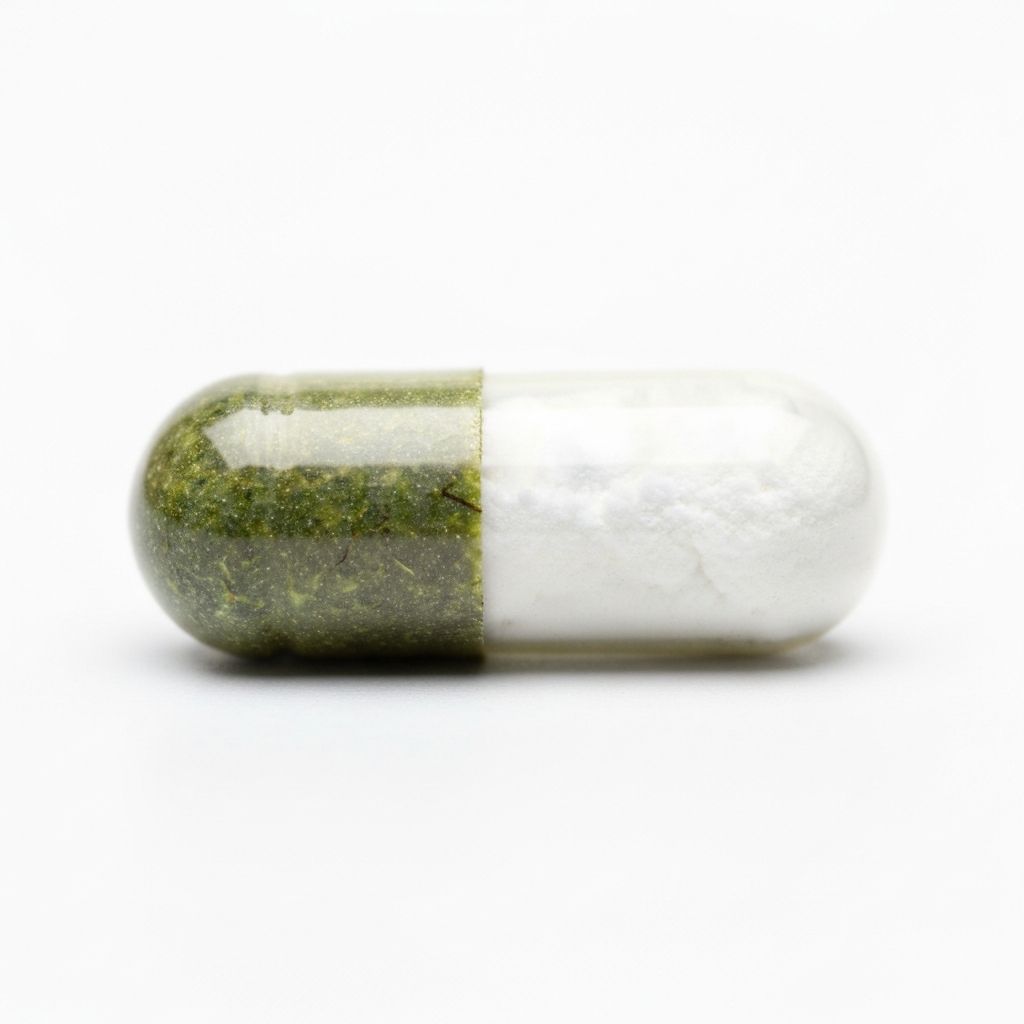
Example: Ashwagandha root extract (Withania somnifera), 500 mg per capsule
Advantages: Direct comparison of potency, fewer variables, straightforward dosing
Multi-Ingredient Formula
Example: Maca root powder (Lepidium meyenii), Tribulus terrestris extract, Zinc citrate
Advantages: Combined components in one serving, varied source materials, comprehensive profiles
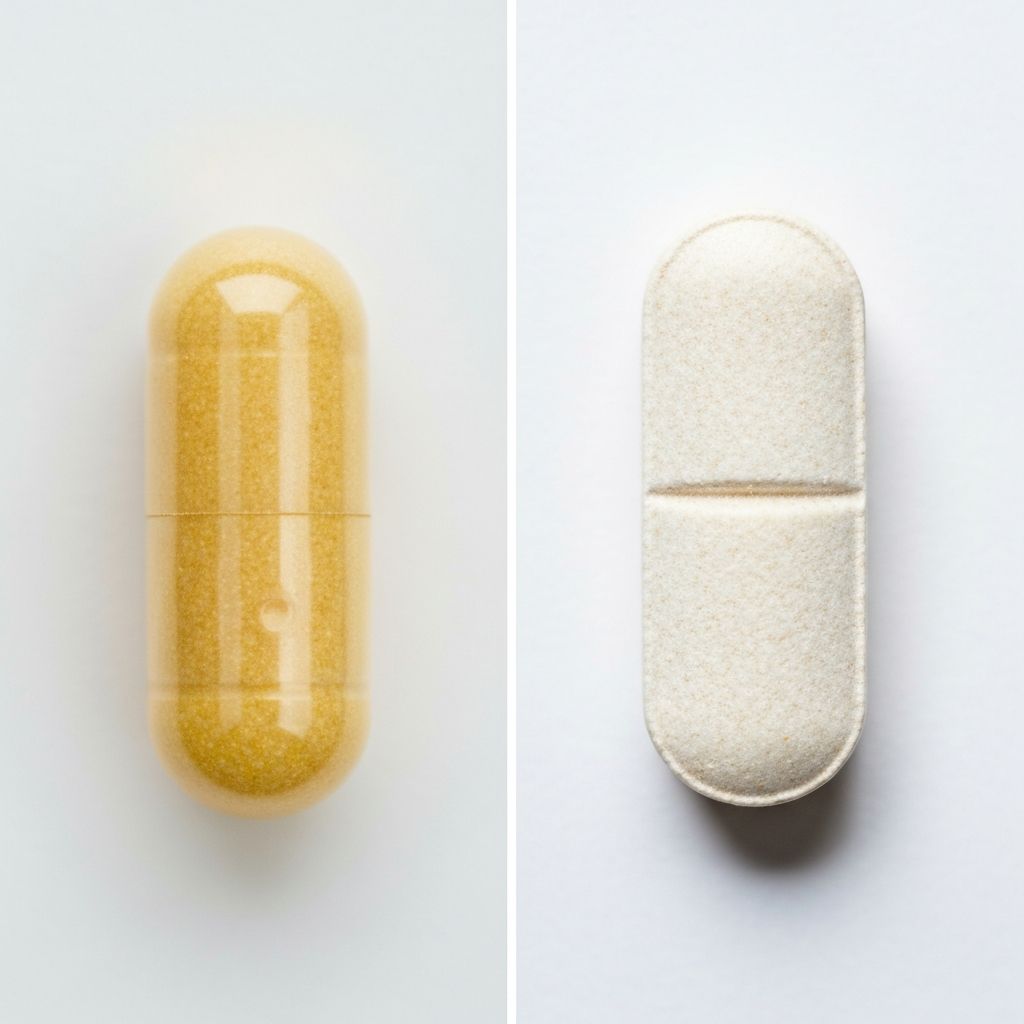
Common Delivery Forms and Production Methods
Supplements are produced in multiple standardized forms. Each form involves distinct production steps that directly affect ingredient stability, absorption potential, and shelf life. Understanding these forms enables accurate label interpretation.
Vegetable Capsule
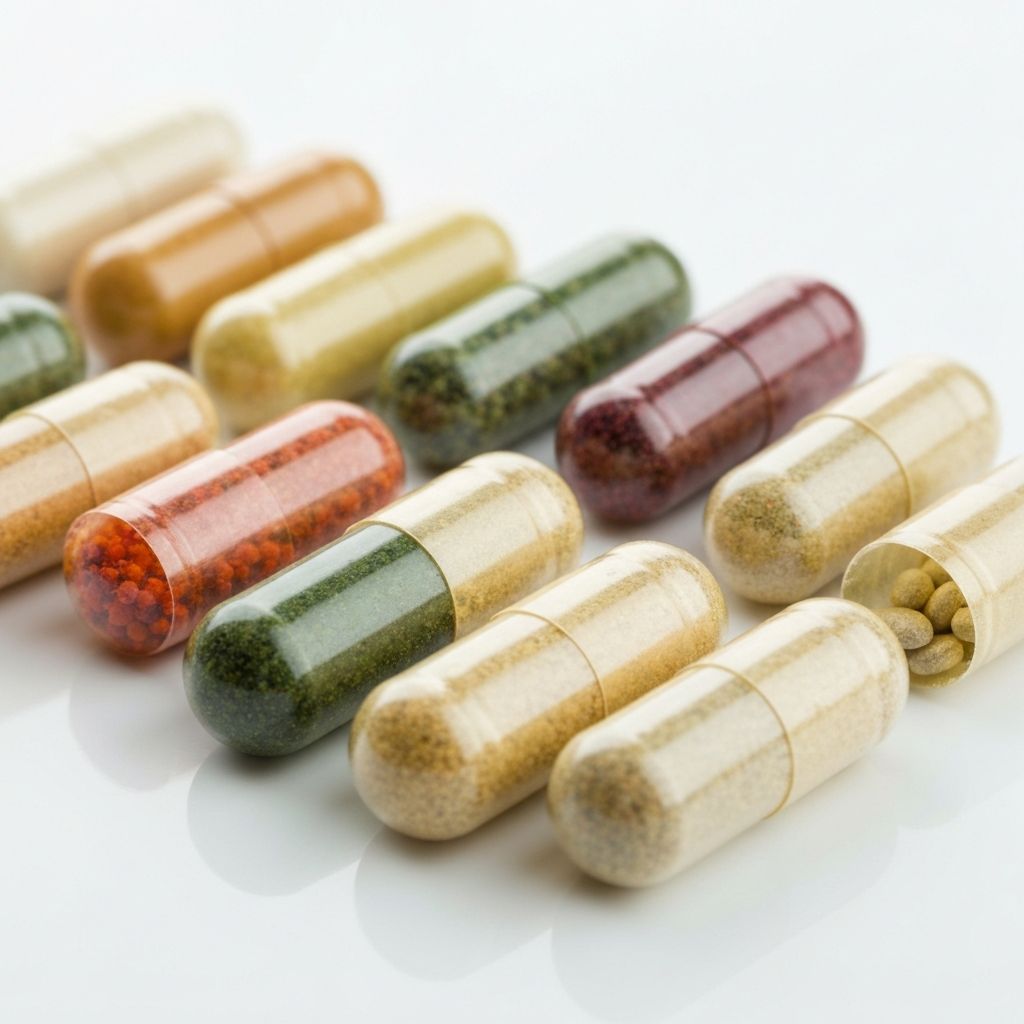
Production: Plant-derived cellulose shell filled with powder or oil-based content
Label notation: "Vegetable capsule" or "Hypromellose capsule"
Tablet with Binder
Production: Compressed powder with binding agents for structural integrity
Label notation: Binders listed last (microcrystalline cellulose, magnesium stearate)
Loose Powder
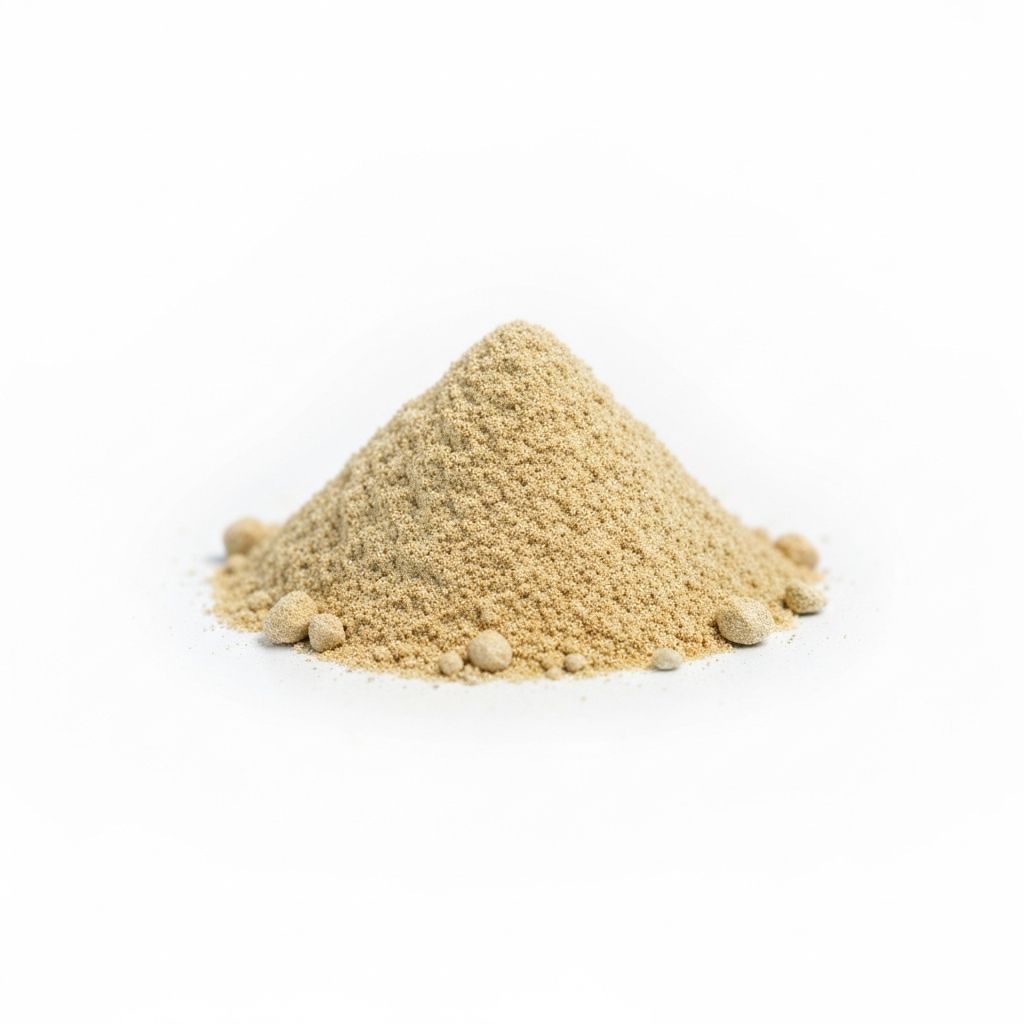
Production: Dried and milled plant material in unencapsulated form
Label notation: "Powder blend" with serving size in grams
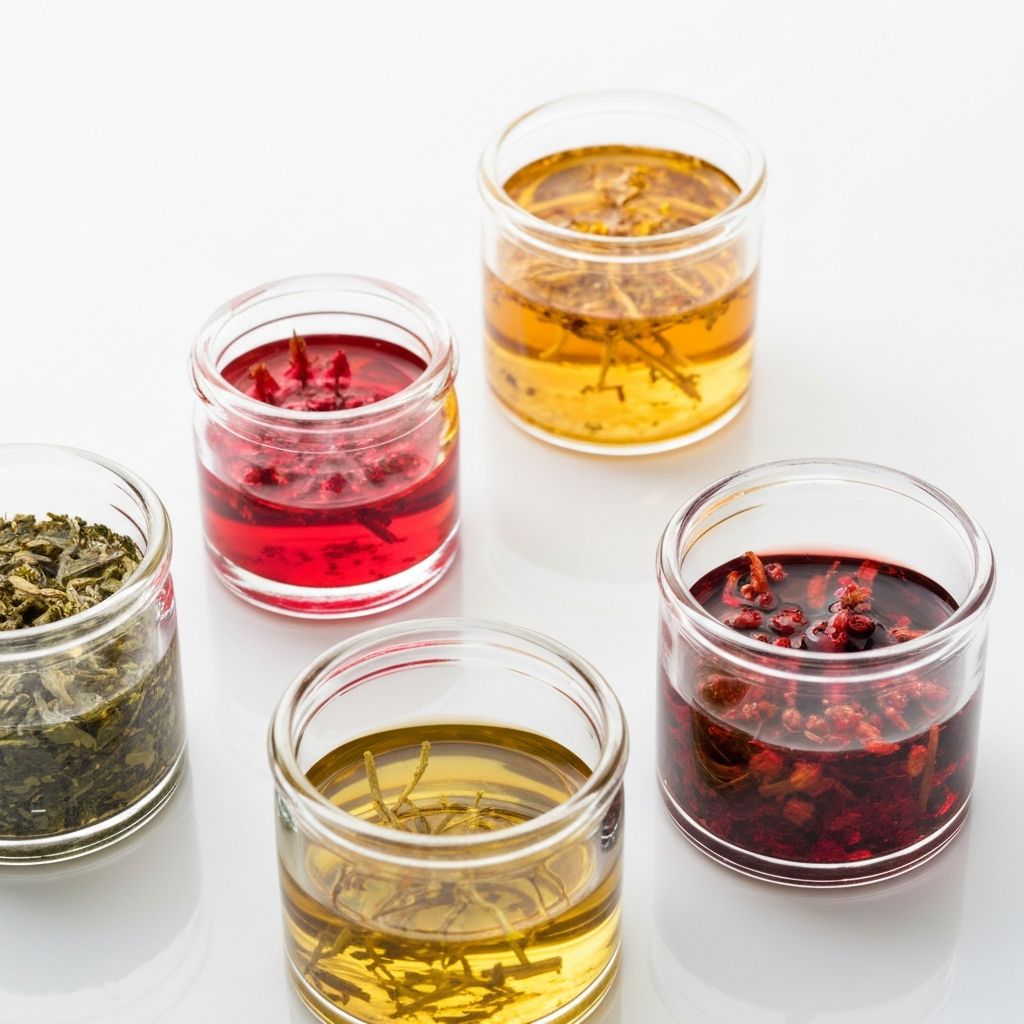
Liquid Extract
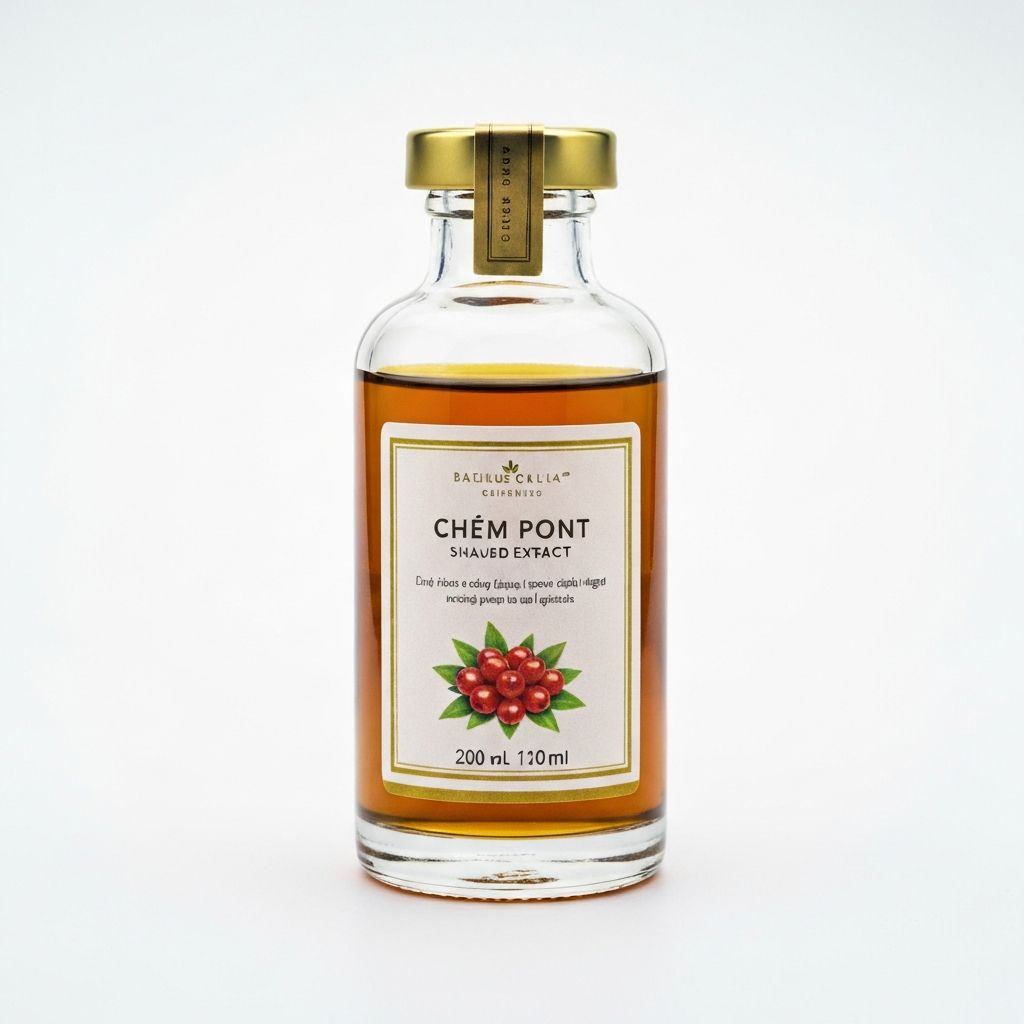
Production: Botanical material extracted in liquid (alcohol or glycerin base)
Label notation: Extraction ratio (e.g., 100:1) and serving volume
Geographic Origin and Standardization Information
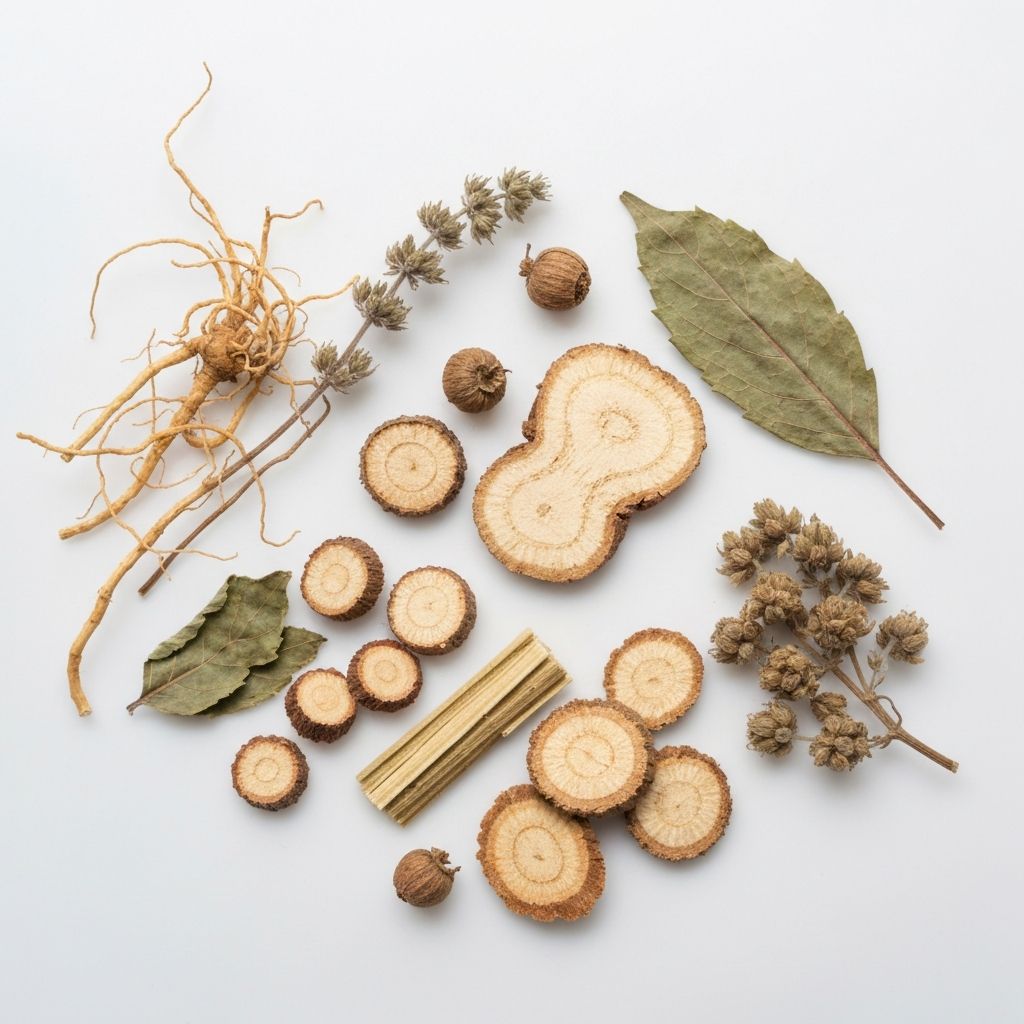
Labels communicate origin through specific notations. "Country of cultivation" indicates where botanicals were grown. "Standardized extract" indicates measured active compound concentration. Understanding these terms enables assessment of ingredient sourcing and processing methods.
Origin Classifications
- Cultivated: Botanicals grown in controlled agricultural conditions
- Wildcrafted: Harvested from natural habitat without cultivation
- Country specific: Indicates primary growth region (e.g., "India origin" for Ashwagandha)
Standardization Notation
- Standardized extract: Guaranteed minimum active compound percentage
- Ratio notation: 10:1 means 10 kg raw material per 1 kg extract
- Percentage notation: "4% ginsenosides" indicates active compound concentration
Understanding Extraction and Standardization Ratios
Extracts are concentrated forms of plant material. Extraction ratios indicate the concentration level. For example, a 10:1 extract represents 10 parts raw material reduced to 1 part extract. Standardization percentages guarantee minimum active compound concentration in the final product.
Ratio Examples
1:1 Extract - Minimal concentration; approximate 1:1 ratio of raw to finished
4:1 Extract - Moderate concentration; 4 kg raw material produces 1 kg extract
10:1 Extract - High concentration; 10 kg raw material produces 1 kg extract
20:1 Extract - Very high concentration; 20 kg raw material produces 1 kg extract
Common Excipients and Their Function in Labels
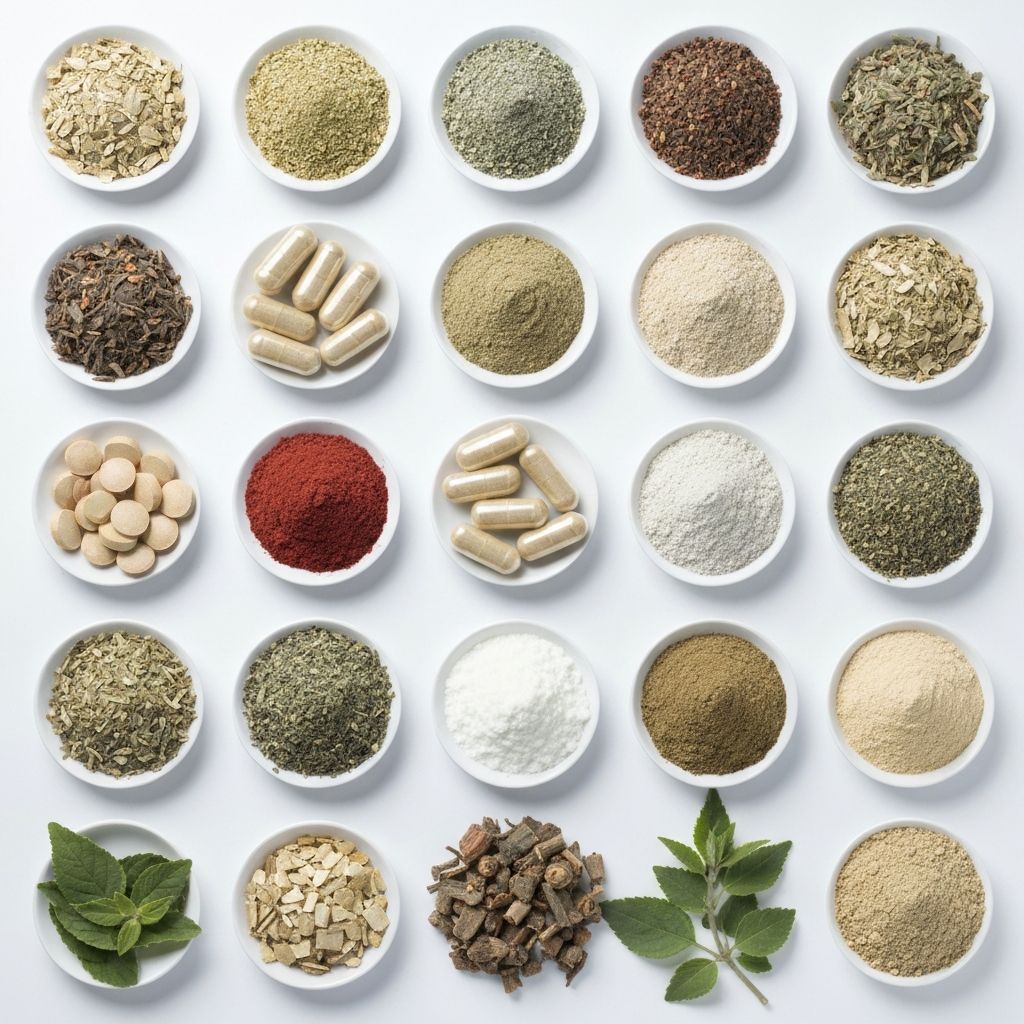
Excipients are non-active ingredients that aid in product formulation, stability, and shelf life. Regulations require excipients to be listed after active ingredients. Common excipients include binding agents, flow agents, and stabilizers. Their presence does not indicate quality variance but rather standard manufacturing practice.
Typical Excipients Listed Last
- Microcrystalline cellulose - Binding and flow agent
- Magnesium stearate - Anti-caking agent
- Silicon dioxide - Flow and anti-caking agent
- Vegetable glycerin - Humectant and preservative base
- Rice flour - Bulking agent in powders
- Hypromellose - Capsule material
Examples of Ingredient Order in Real Products
Direct label examination reveals ingredient hierarchy. Comparing multiple products side-by-side demonstrates how formulations prioritize different botanical and mineral components.
Single-Ingredient Capsule Example
Product Type: Vegetable Capsule
Ingredient List:
Ashwagandha root extract (Withania somnifera) (standardized to 5% withanolides) - 500 mg
Other ingredients: Microcrystalline cellulose, magnesium stearate, hypromellose
Analysis: Single active ingredient with standardized potency; excipients comprising minimal percentage by weight
Multi-Ingredient Tablet Example
Product Type: Compressed Tablet
Ingredient List:
Maca root powder (Lepidium meyenii) - 200 mg
Tribulus terrestris extract (standardized to 40% saponins) - 150 mg
Zinc citrate - 15 mg
Other ingredients: Microcrystalline cellulose, silicon dioxide, magnesium stearate
Analysis: Multiple active components with varying standardization; zinc as mineral component
Powder Blend Example
Product Type: Loose Powder (serving size: 5g)
Ingredient List:
L-Arginine base - 2000 mg
Pine bark extract (Pinus pinaster) (standardized to 65% proanthocyanidins) - 750 mg
Grape seed extract (standardized to 90% polyphenols) - 500 mg
Other ingredients: Rice flour, silicon dioxide
Analysis: Amino acid component with two standardized botanical extracts; minimal excipients in powder form
Liquid Extract Example
Product Type: Liquid Extract (serving size: 1 ml)
Ingredient List:
Tongkat Ali root (Eurycoma longifolia) extract (100:1 ratio) - 500 mg
Other ingredients: Vegetable glycerin (alcohol-free base), purified water
Analysis: Highly concentrated extract format; glycerin base indicated for preservation
How to Compare Labels Side-by-Side
Accurate product comparison requires systematic label examination. Review ingredient order first, then potency measurements, then standardization ratios, then origin information. This sequence enables objective comparison without external judgment.
Comparison Checklist
Step 1: Review Ingredient Order
Identify which ingredient appears first (highest concentration). Compare with competing products to assess formulation priorities.
Step 2: Check Potency Measurements
Compare mg amounts per serving across products. Higher mg does not indicate superior formulation but represents different dosing choices.
Step 3: Assess Standardization Ratios
Compare standardization percentages and extraction ratios. These indicate concentration level of active compounds.
Step 4: Verify Origin Information
Cross-reference country of cultivation and wildcrafted versus cultivated notations to understand ingredient sourcing differences.
Mineral Components: Understanding Origins and Forms
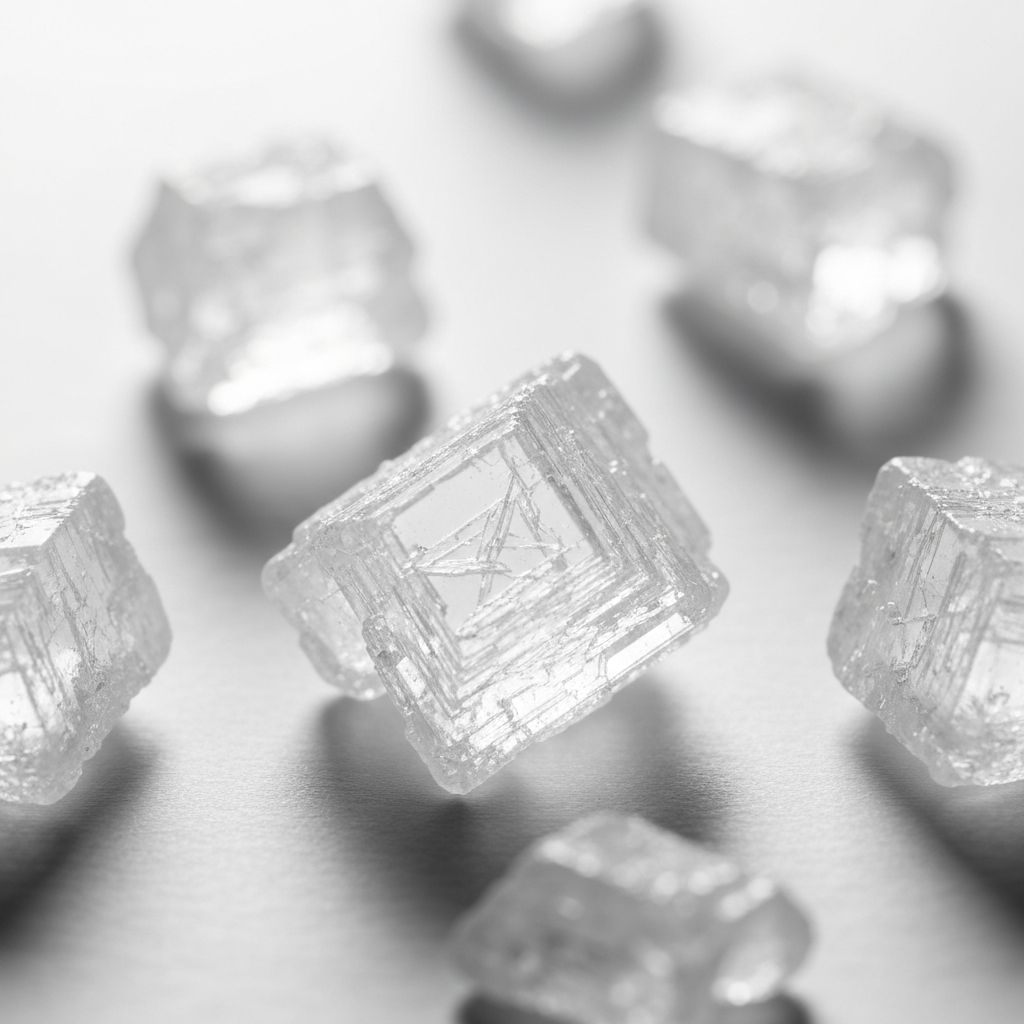
Mineral ingredients differ from botanical components in form and function. Minerals are presented in specific chemical states (citrate, oxide, sulfate). Origin references geological sources rather than agricultural cultivation.
Common Mineral Forms
- Citrate forms: Zinc citrate, magnesium citrate - complexed for absorption
- Oxide forms: Zinc oxide, iron oxide - basic mineral compounds
- Sulfate forms: Magnesium sulfate, iron sulfate - sulfate-bound minerals
- Chelated forms: Mineral bound to amino acid - specialized formulation
Origin Classification
Mineral origin typically references extraction location (e.g., "Dead Sea salt" or "Rock-derived magnesium") rather than cultivation region.
Frequently Asked Label Questions
What does "standardized extract" mean on a label?
Standardized extract indicates that the product contains a guaranteed minimum percentage of specific active compounds. For example, "standardized to 5% withanolides" means the extract contains at least 5% withanolides by weight.
What is the difference between an extract and powder?
Powder is dried and milled whole plant material. Extract is concentrated botanical material where solvents remove specific compounds, resulting in higher concentration of active components. Extracts are typically more potent per gram than powders.
Why are some ingredients listed at the end of the label?
Ingredients at the end are excipients—non-active components that aid in formulation, stability, and manufacturing. Regulations require ingredients listed by weight in descending order, so excipients naturally appear last due to their smaller quantities.
What does a ratio like "10:1" mean for extracts?
A 10:1 ratio indicates that 10 parts of raw plant material were concentrated into 1 part finished extract. Higher ratios (10:1, 20:1) indicate higher concentration than lower ratios (2:1, 4:1).
How can I identify wildcrafted versus cultivated ingredients?
Labels explicitly state "wildcrafted" if botanicals are harvested from natural habitats. Absence of this notation typically indicates cultivated ingredients from agricultural sources.
What does the ingredient serving size represent?
Serving size indicates how much of the ingredient is delivered per recommended dose. Ingredient amounts are calculated by serving. Compare serving sizes across products before comparing mg amounts.
Reading Labels as Reference Material
This site presents factual information enabling direct label examination. The objective is understanding ingredient composition, sourcing, and form rather than making value judgments between products. All information derives from standard label practices, botanical nomenclature, and manufacturing terminology. Labels communicate factual ingredient data. Reading and understanding this data forms the basis for informed product examination.
Key Takeaway
Supplement labels follow standardized formats and terminology. Understanding these formats enables direct comparison of products based on ingredient composition, form, origin, and processing methods. No additional interpretation is required—labels communicate complete ingredient information directly.